When Football Broadcast Peaks Align With Casino Offer Timing Windows and Limit Tools
Hugo Bauer · Nov 16, 2026
When Football Broadcast Peaks Align With Casino Offer Timing Windows and Limit Tools
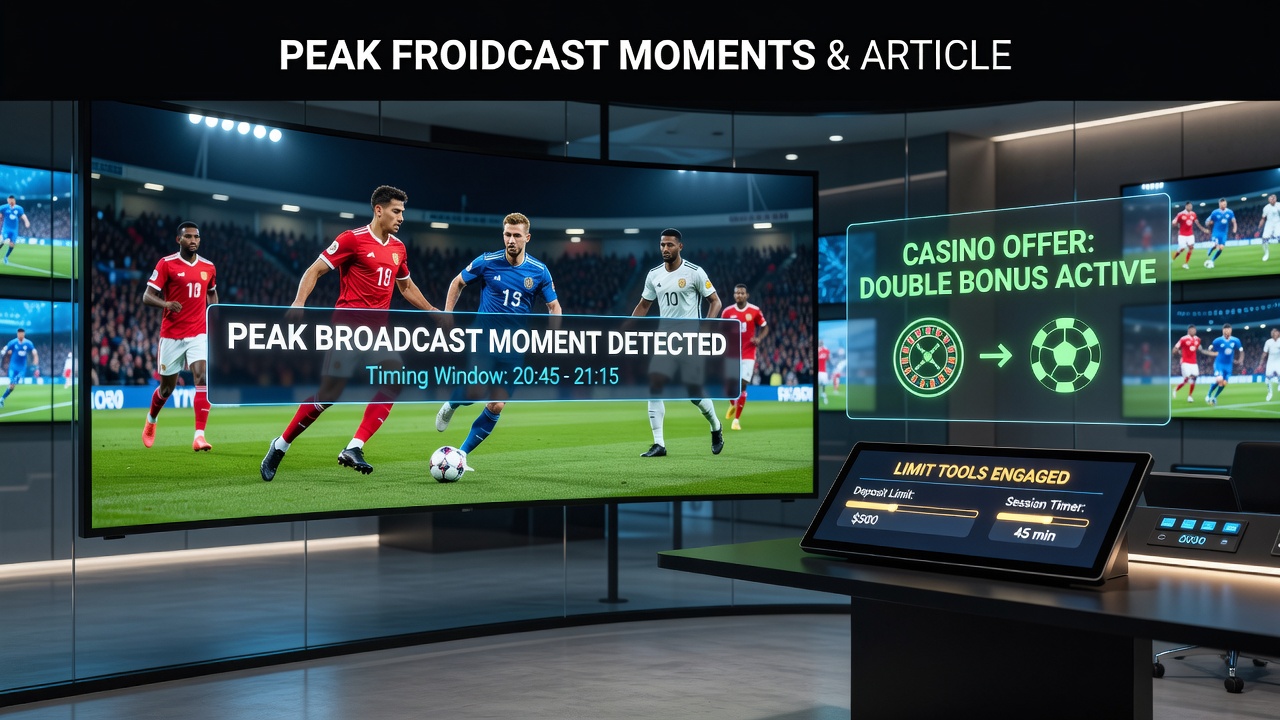
Football broadcast schedules create concentrated viewing windows during prime-time matches across major European leagues, and these periods frequently coincide with casino operators launching time-limited bonus offers that activate within the same hours. Data from industry monitoring services shows that promotional triggers often align with kickoff times and halftime breaks, creating synchronized engagement spikes where players encounter both live match coverage and deposit incentives simultaneously. Observers note that this coordination draws on scheduling data from broadcasters and betting operators who share fixture calendars months in advance, allowing precise placement of offer windows that begin shortly before matches start and extend through final whistles plus additional cooldown periods.
Broadcast Peak Patterns and Their Timing
Premier League and Champions League fixtures generate the highest concurrent viewership numbers on Saturday afternoons and midweek evenings, while secondary leagues such as the Bundesliga and Serie A add overlapping slots that stretch across multiple time zones. Research from the University of Nevada, Las Vegas indicates that peak audience concentration occurs between 15:00 and 17:00 GMT on weekends, creating a narrow but high-intensity window where digital platforms record elevated traffic from mobile devices. Casino systems respond by activating deposit-match and free-spin offers that expire within two to four hours of activation, matching the typical duration of a single match plus extended highlights packages.
Casino Offer Windows and Synchronization Methods
Operators use automated systems that pull real-time broadcast metadata to adjust offer start times, ensuring bonuses become available moments before major matches begin. These timing tools rely on API connections with league data providers and television schedules, allowing offers to appear in user dashboards exactly when viewership metrics rise. Figures from the Nevada Gaming Control Board reveal that such synchronized promotions account for measurable increases in session starts during November periods when multiple leagues run concurrent schedules, including the 2026 season where fixture congestion peaks in the first two weeks of the month. Players encounter deposit bonuses, cashback deals, and tournament entries that remain valid only while matches remain live, which encourages immediate action before the broadcast window closes.
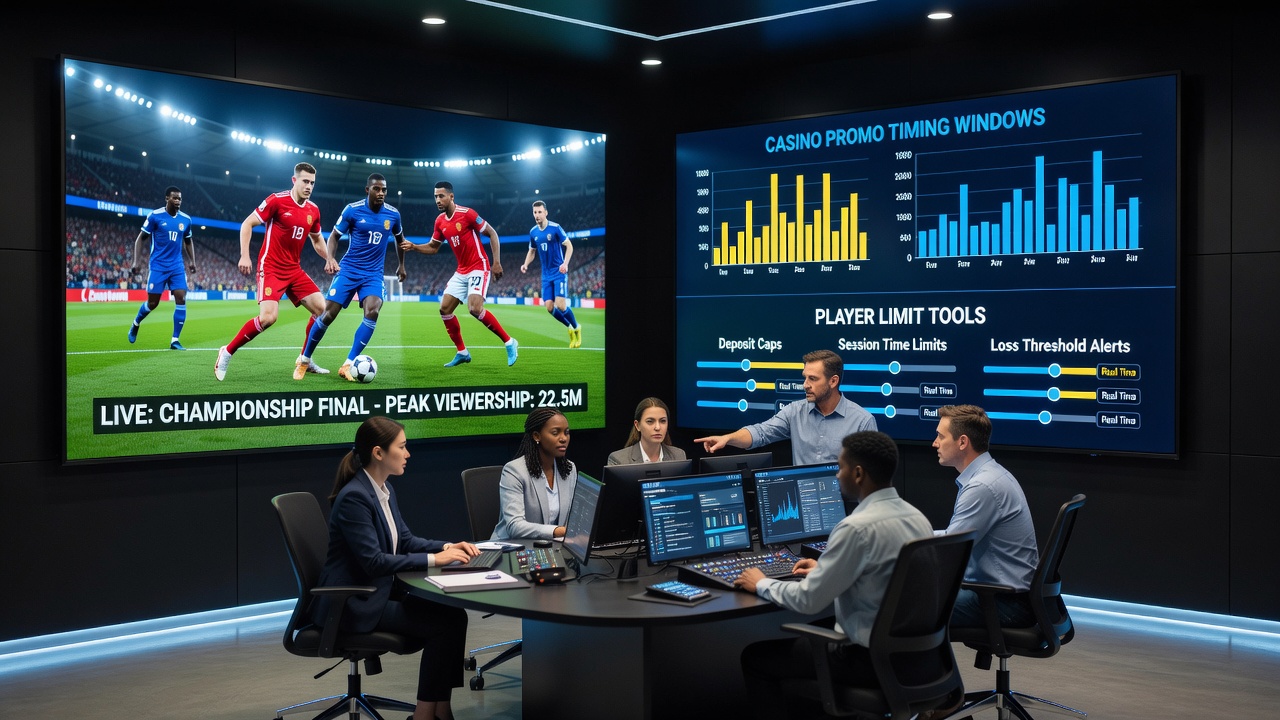
Limit tools embedded in the same platforms allow users to set deposit caps, session timers, and loss thresholds that activate independently of promotional calendars. These features operate through account-level controls that users configure in advance, yet their interaction with timed offers creates distinct behavioral patterns during broadcast peaks. When an offer window opens at the same moment a match begins, the presence of an active limit can either prevent additional deposits or prompt users to adjust settings before the bonus expires. Platform logs indicate that limit adjustments spike in the fifteen minutes preceding kickoff, suggesting players review their controls as they prepare to engage with both the broadcast and the promotional incentive.
Interaction Between Offers and Limit Mechanisms
Studies conducted by Monash University researchers examined how self-imposed limits function when promotional timing overlaps with live sports events. The analysis found that users who pre-set daily deposit limits before a broadcast peak were less likely to exceed those limits even when new bonus offers appeared, because the system automatically blocked further transactions once thresholds were reached. In contrast, accounts without active limits showed higher uptake of time-sensitive casino offers during the same windows, with engagement rates rising sharply in the first hour after kickoff. These patterns emerge consistently across November schedules when fixture lists produce multiple overlapping broadcasts from different leagues.
Platform architecture separates promotional engines from limit enforcement modules, yet both draw from the same user session data. When a broadcast peak begins, the system can display an offer banner while simultaneously checking whether any limit has already been reached for that calendar day. If a limit blocks further activity, the offer remains visible but inactive until the restriction resets. This separation prevents automatic override of user controls while still allowing operators to present incentives during high-traffic periods. Data collected across multiple operators shows that limit enforcement remains consistent regardless of offer visibility, although the number of users who temporarily increase their limits rises modestly during major match windows.
November 2026 Scheduling Context
Fixture calendars for November 2026 include dense clusters of midweek Champions League matches alongside domestic league rounds, creating extended broadcast peaks across multiple evenings. Casino operators have already mapped these dates into their promotional calendars, scheduling offer windows that open thirty minutes before the earliest kickoff and close two hours after the final whistle of the latest fixture. Limit tools continue to function on their standard daily or weekly cycles, unaffected by the promotional calendar, which means users who maintain consistent caps experience the same restrictions they set during quieter periods. Observers tracking platform activity note that the alignment of these elements produces predictable traffic patterns rather than unexpected spikes, because both broadcast schedules and offer timing follow publicly available fixture lists.
Conclusion
The alignment of football broadcast peaks with casino offer timing windows and limit tools follows structured scheduling practices that rely on shared league data and automated platform systems. November 2026 will feature multiple overlapping fixtures that operators have already incorporated into promotional planning, while user-configured limits continue to operate on independent cycles. Research from academic and regulatory sources confirms that these systems interact through session-level checks rather than direct integration, allowing offers to appear without overriding pre-set restrictions. The resulting patterns reflect coordinated timing across broadcasting, promotions, and account controls rather than isolated events.