Seasonal Fixture Clashes and Their Ripple Effects on Self-Limiting Tools in Multi-Sport Wagering Platforms
Finley Carter · Aug 25, 2026
Seasonal Fixture Clashes and Their Ripple Effects on Self-Limiting Tools in Multi-Sport Wagering Platforms
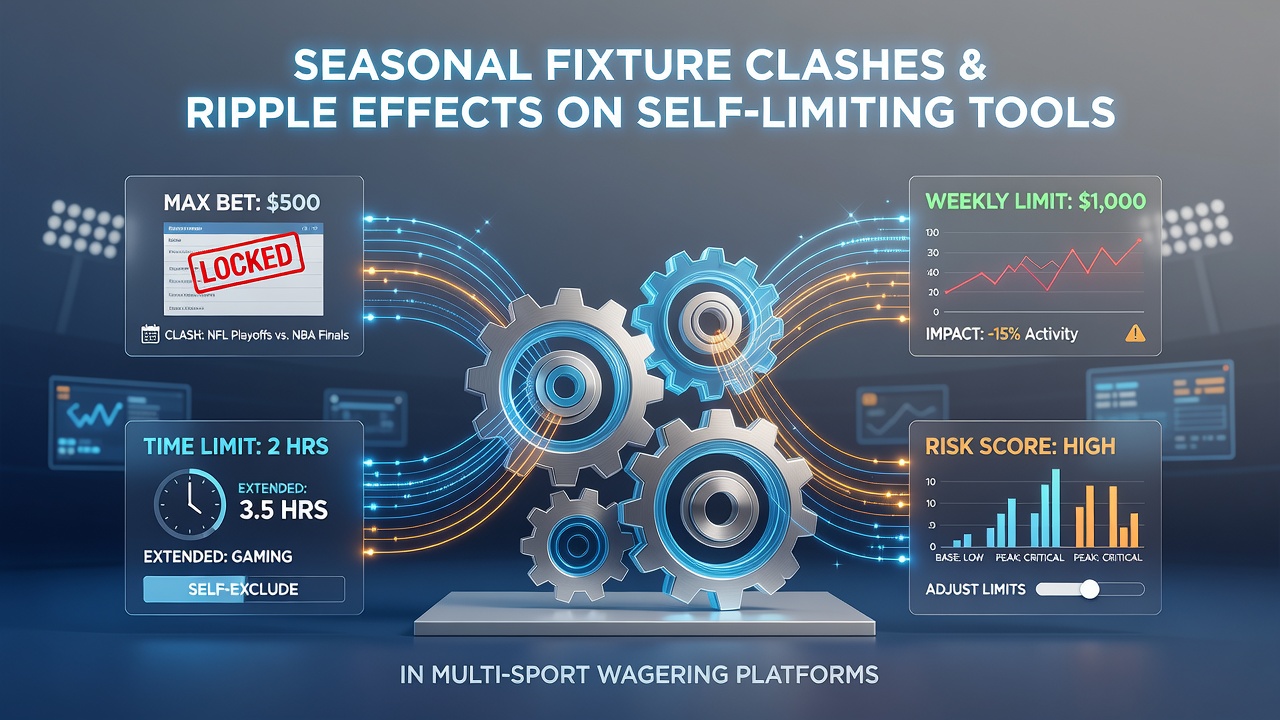
Seasonal fixture clashes occur when major events from different sports overlap on the same calendar dates, creating concentrated periods of high betting activity across multi-sport wagering platforms; these overlaps force operators to manage simultaneous surges in user engagement from football leagues, tennis tournaments, basketball seasons and other competitions that run concurrently. Data from industry tracking services indicates that such clashes intensify in late summer months, including August 2026, when European football campaigns launch alongside remaining tennis majors and early basketball pre-seasons in North America. Operators respond by monitoring traffic patterns that spike across multiple markets at once, while users encounter their pre-set boundaries more frequently because the volume of available events rises sharply.
How Fixture Overlaps Develop in Multi-Sport Environments
Fixture schedules from separate sports governing bodies rarely coordinate, which produces natural collision points throughout the year; for instance, the opening weeks of domestic football leagues in Europe frequently coincide with the final rounds of tennis circuits and the start of baseball playoffs in other regions. Observers note that platforms must prepare backend systems to handle simultaneous odds updates, live streaming requests and settlement volumes that multiply during these windows. Research conducted by the University of Sydney's Gambling Treatment and Research Clinic shows that peak overlap days generate 35 to 50 percent higher transaction rates compared with non-clash periods, according to aggregated platform telemetry collected over multiple seasons.
Mechanics of Self-Limiting Tools on Wagering Platforms
Self-limiting tools allow account holders to establish personal caps on deposits, wagers, session duration or net losses, and these features operate through automated enforcement layers that pause activity once thresholds are reached. Platforms integrate these controls at the account level so that limits apply uniformly across all sports markets rather than sport by sport. Regulatory frameworks in several jurisdictions require operators to make such tools available, yet the actual usage patterns shift when fixture density increases because users encounter their chosen boundaries after fewer calendar days. Figures released by the Canadian Centre on Substance Use and Addiction reveal that account-level limit triggers occur 28 percent more often during multi-sport overlap weeks than during quieter stretches of the annual calendar.
Observed Ripple Effects on Limit Usage and Platform Operations
When fixture clashes compress multiple high-interest events into short timeframes, users who maintain daily or weekly deposit caps reach those caps faster because the number of appealing betting opportunities expands. Platforms record corresponding increases in limit adjustment requests, temporary overrides and support tickets that seek clarification on how limits interact with live betting markets. One study released by the National Council on Problem Gambling documented a measurable uptick in self-exclusion activations immediately following August overlap periods, suggesting that some users reassess their controls after experiencing rapid limit exhaustion. Operators adjust risk algorithms to flag accounts showing accelerated limit consumption, yet these systems must distinguish between normal seasonal variance and potential indicators of problematic play.
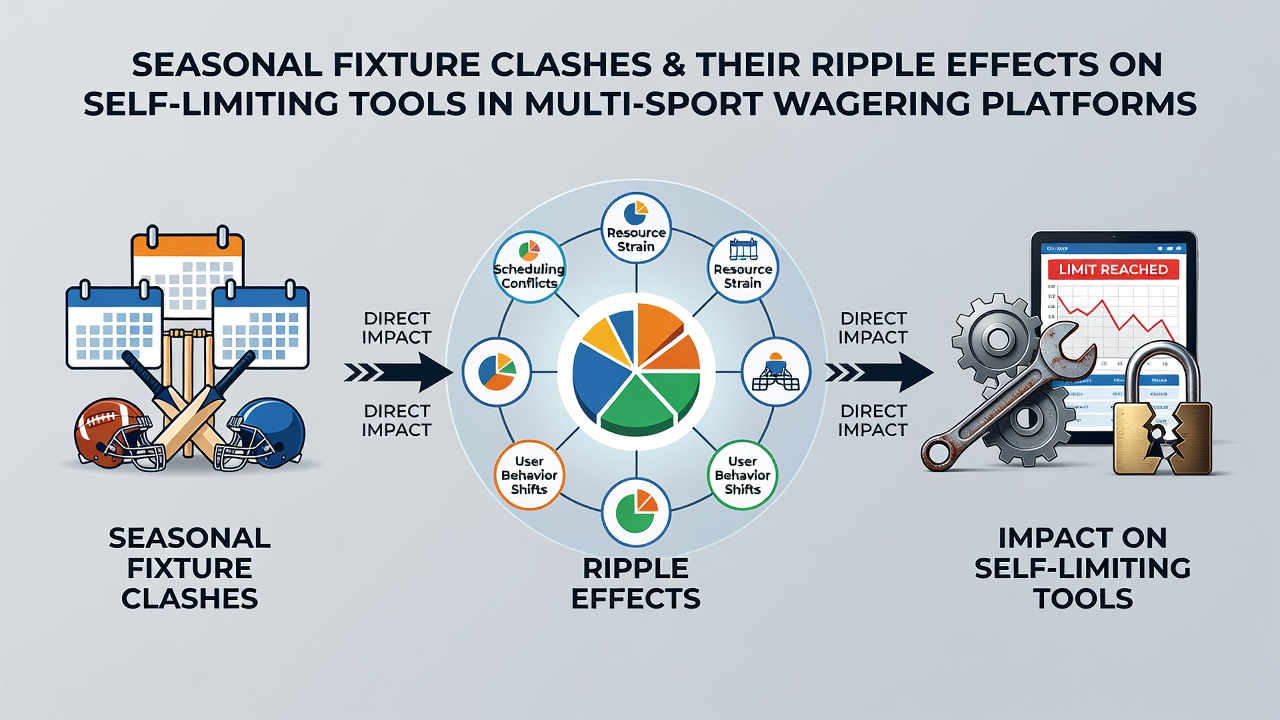
Payment processing teams also notice downstream effects because deposit attempts cluster around event start times, creating short windows of elevated transaction volume that test gateway capacity. Meanwhile, responsible gambling dashboards display updated heat maps that highlight which sports combinations produce the quickest limit breaches, allowing platform teams to refine messaging that reminds users of their current status before they attempt further activity.
Regional Regulatory Responses and Industry Adjustments
Jurisdictions maintain different requirements for how platforms must display and enforce self-limiting tools during high-activity periods. Australian state regulators, for example, mandate clear visibility of remaining deposit room on every betting screen, while several European authorities require periodic pop-up reminders when users approach chosen thresholds. Industry associations such as the European Gaming and Betting Association have published guidance documents that encourage operators to pre-load fixture calendars into their limit calculators so that projected activity can be modeled in advance. These preparatory steps help platforms anticipate when a user’s weekly cap might be reached within the first three days of a clash window rather than spread evenly across seven days.
Data Patterns Emerging from Recent Overlap Seasons
Telemetry shared across anonymized industry consortia indicates that multi-sport platforms experience the strongest correlation between fixture density and limit triggers during the first two weeks of August each year. In 2026 this pattern is expected to repeat as football, tennis and basketball calendars converge once more. Account-level analytics show that users who set monthly rather than daily limits tend to experience fewer interruptions, whereas daily-limit users encounter blocks more frequently when three or more major events run simultaneously. Platform teams therefore experiment with tiered alert systems that scale notification frequency according to the number of overlapping fixtures rather than applying uniform messaging across all accounts.
Conclusion
Seasonal fixture clashes create measurable pressure on self-limiting tools because the concentration of betting opportunities accelerates the rate at which users reach their chosen boundaries. Operators respond through enhanced monitoring, adjusted alert timing and closer coordination with regulatory expectations across regions. Data from multiple sources confirms that these pressures recur predictably each August and during other overlap windows, prompting ongoing refinement of both technical controls and user communication strategies. Platforms that model fixture calendars in advance appear better positioned to maintain stable limit enforcement even when activity volumes rise sharply across several sports at once.