Betting Shop Closures Mount in Britain as Tax Pressures Mount
Tina Ludwig · Aug 20, 2026

Betting Shop Closures Mount in Britain as Tax Pressures Mount
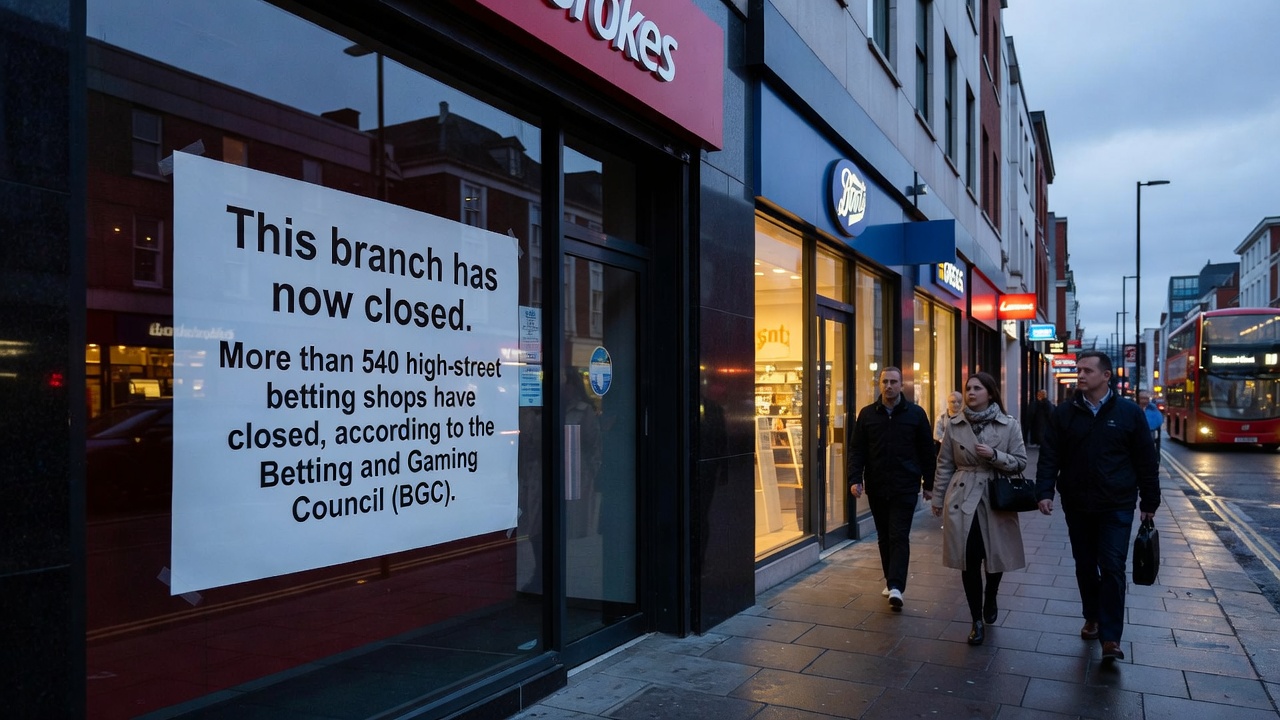
The Betting and Gaming Council has released figures showing that more than 540 high-street betting shops have closed across Britain since last year’s Budget, with around 4,500 jobs disappearing in the same period, and these losses stem directly from rising taxes combined with higher operating costs plus the doubling of online gaming duty. The report places the recent wave of shutdowns within a broader pattern of decline that stretches back to 2019, when the sector already shed over 3,000 shops and 15,000 positions, and operators continue to adjust their physical footprints in response to sustained financial pressure.
Details Behind the Latest Closures
Betfred stands out among the operators that have acted on the new cost structure by confirming plans to shut an additional 132 shops, and the company’s decision illustrates how individual firms translate tax increases into store-level choices. The Betting and Gaming Council links the accelerated pace of closures to the combined effect of the Budget measures, noting that the duty changes and broader cost inflation have reduced margins to the point where many locations no longer cover basic expenses. Observers note that the same pattern appears across multiple chains, although the council’s data aggregates the totals without naming every operator involved.
Longer-Term Trends Since 2019
Since 2019 the cumulative impact has already removed thousands of outlets from high streets nationwide, and the fresh losses since last year’s Budget simply extend an established trajectory rather than mark an abrupt departure. Researchers tracking employment in the sector point out that each closed shop removes not only the direct positions inside the premises but also the indirect economic activity that once supported nearby businesses through footfall. Data compiled by the Betting and Gaming Council shows that the earlier 15,000 job losses have now grown by another 4,500, producing a total reduction that exceeds 19,000 roles when the two periods are added together.
Warnings on Future Tax Increases
The Betting and Gaming Council cautions that any further rise in taxation would intensify the rate of shop closures, reduce high-street footfall, limit new investment, and shift more activity into unregulated channels. According to the council’s analysis, operators facing tighter margins have fewer options for maintaining their existing estate, and the result is a steady contraction that leaves fewer physical locations for customers who prefer in-person betting. The organization also highlights the risk that displaced play migrates toward the black market, where consumer protections and tax contributions both disappear, yet the council stops short of quantifying the scale of that shift in its current release.
Industry groups outside Britain have tracked similar dynamics in other jurisdictions, and one Australian research centre published comparative data showing how tax adjustments can accelerate venue rationalisation when combined with rising compliance costs. Those findings align with the pattern described by the Betting and Gaming Council, although the British context includes the specific doubling of online gaming duty that has no direct parallel in the Australian study. The parallel nevertheless underscores that tax policy remains a central variable in determining how many physical outlets remain viable.
Impact on High-Street Activity
Each closure removes a point of contact between operators and customers who value face-to-face service, and the Betting and Gaming Council records a measurable drop in overall high-street visits tied to the shrinking number of open shops. Local economies that once benefited from the regular footfall generated by betting outlets now register lower passing trade, while remaining staff absorb greater workloads as teams shrink. The council’s figures indicate that the 4,500 jobs lost since the Budget represent both full-time and part-time roles, and the reduction affects regions across England, Scotland, and Wales without any single area escaping the trend.
Further tax changes would compound these effects, according to the council, because operators already operating at thinner margins would face an even steeper climb to maintain current staffing levels. The report therefore frames the recent closures not as an isolated event but as the latest stage in an ongoing adjustment that began years earlier and shows no sign of reversing under present conditions.
Conclusion
The Betting and Gaming Council’s update supplies a clear numerical snapshot of shop and job losses that have occurred since last year’s Budget, and it places those numbers inside the longer decline that started in 2019. Betfred’s announcement of 132 additional closures provides one concrete illustration of how the broader statistics translate into individual company decisions. The council’s warning about the consequences of further tax rises rests on the same data set, linking higher costs to reduced physical presence, lower footfall, and greater movement of activity outside regulated channels. Together the figures and statements present a consistent picture of contraction driven by the interaction of taxation and operating expenses in Britain’s high-street betting sector.